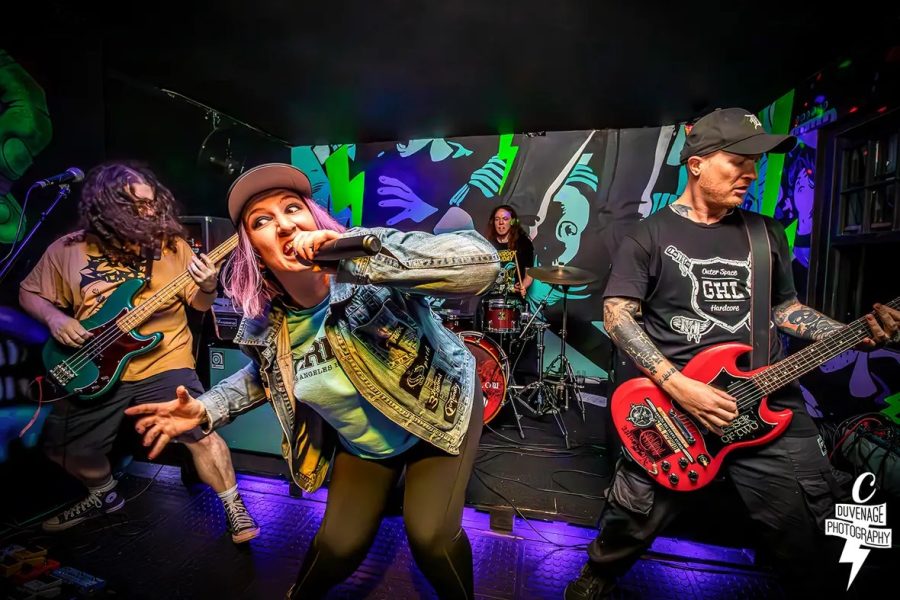

“Nu-metal has become fashionable again, not that I ever think it went out of fashion,” laughs Ric Shields, vocalist for Cape Town nu-metal outfit Dreadlines. Scroll through TikTok and you’ll find a montage of the Y2K alternative resurrection that corroborates his case. Deftones’ My Own Summer (Shove It) plays over a nu-metal inspired fit check: baggy jeans, scuffed VANS, a cropped band tee, and more chains than you could find in a hardware store. Glammed-up goth girls are dancing to Slipknot; boys in backwards caps are chugging white Monster Energy drinks to Limp Bizkit’s Break Stuff.
Nu-metal is back, and the gatekeepers of ‘serious’ music are wailing and gnashing their teeth. “It sucks that we all had to live through the dumbest trend in music history the first time,” music critic Dan Ozzi says in an article for GQ. “It sucks even worse that we’re being subjected to it again.”
“People are nostalgic for a time that
they didn’t live through.”
But for a generation that wasn’t alive during the peak, cringe is the point. The death of cringe helps, as well as cultural curiosity emboldened by our increasingly digital lives. Sometimes it can feel like cultural voyeurism – the tendency of culture vultures to commodify alternative subcultures for the sake of social and economic profit. However, if you look at young people going to metal shows and even Emo Night, there’s a sense of intentionality; a desire to immerse themselves in the subculture.
“People [are] nostalgic for a time that they didn’t live through,” says Shields. He’s commenting on the culture that has emerged around Dreadlines’ shows, noting that young people who are new to the scene have adopted a mindset of curiosity. They go into these spaces, whether or not it conforms with their expectations, and are willing to undergo a transformation.
Historically, nu-metal has functioned as a gateway to metal. Your older sibling brought home Linkin Park’s Hybrid Theory, or a friend’s older brother blasted System of a Down in the car as he drove you to the mall. In a digital age, where the older sibling has been replaced by algorithms, the organic discovery of music has become harder as streaming services have been designed to keep you engaged by pushing more of the same. In this vacuum, local shows have become an avenue for discovering and rediscovering nu-metal.
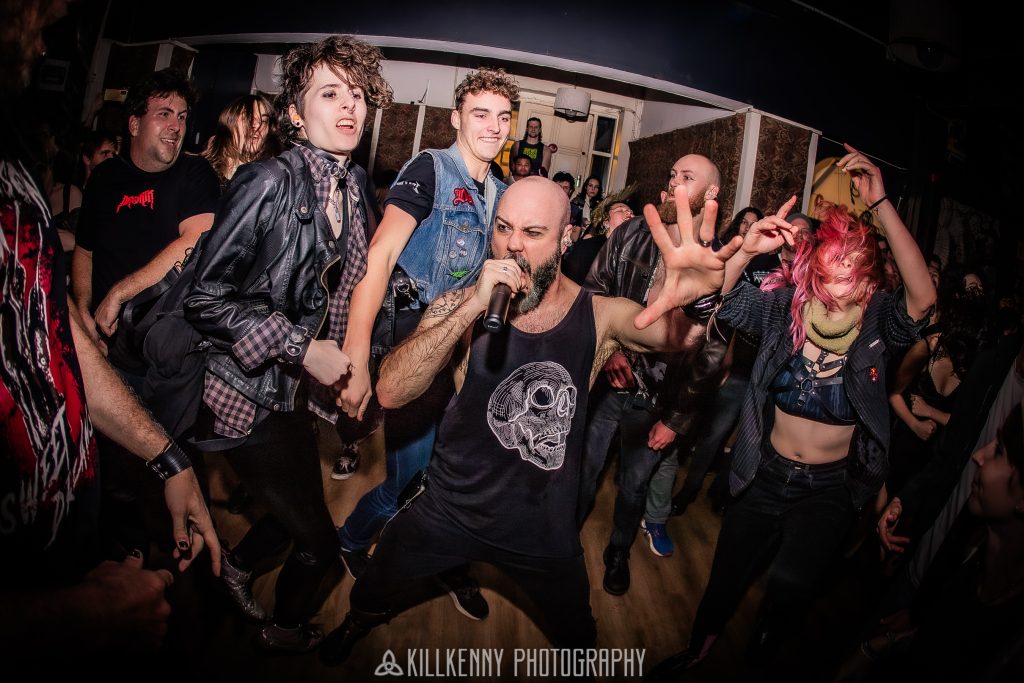
“I go to a lot of local shows and I am always seeing new people because someone has brought a friend,” Shields says. “I’ve met quite a few people who are like ‘Hey, this is my first metal show!’ They’re always wide-eyed and not wearing the typical uniform of a metalhead, but they are fully signed-up for the culture.”
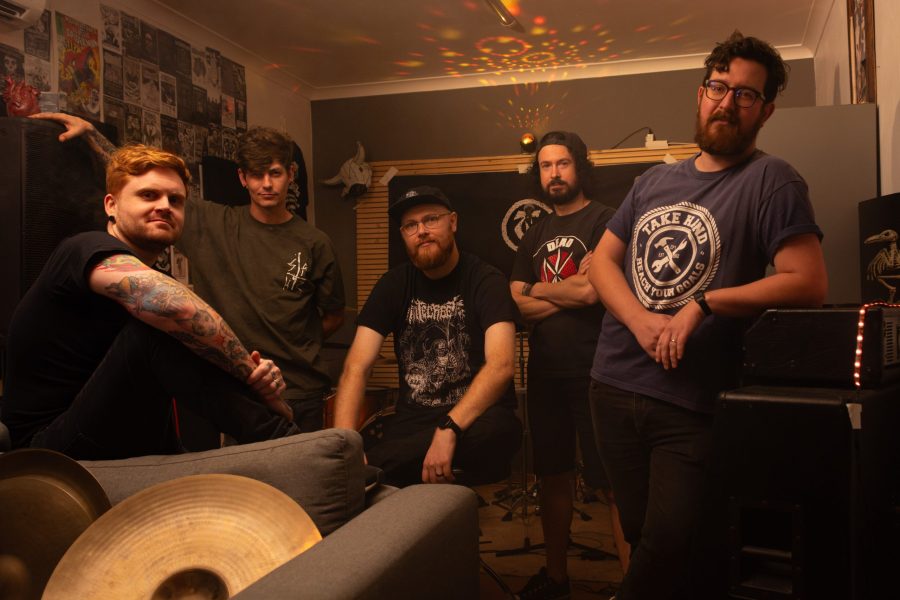
In the middle of this cultural revival, Dreadlines has entered the fray as pioneers of the genre. The band’s origin traces back to founding member and lead guitarist JP Monroe. “I started writing these crazy riffs and groove-oriented stuff and sent them to Ric,” he recalls. “I asked him if he [wanted] to play the bass, because he was playing bass in other bands. He sent through a vocal take and [I knew], holy shit, this guy is the vocalist for Dreadlines. We started writing more, brought in Nate, brought in Stan, and everyone else.”
The last time South Africa had any significant number of nu-metal bands was during the heyday of 16Stitch, 11th Hour, and Pestroy. However, creating nu-metal was not a strategic decision from Dreadlines. There was no trend analysis or a desire to fill an unclaimed niche. “Nu-metal is at the core of our DNA, but it wasn’t something we intentionally set out to do,” says Shields. It organically arose out of the band’s collective love for the genre.
“Everything is so digital, so perfect, [and precise].
The life has been squeezed out of it.”
Dreadlines is, however, acutely aware of the role nostalgia plays in the genre’s return. There’s a segment of the audience hoping for an endless loop of albums that sound like Significant Other or Follow The Leader, or for bands like Limp Bizkit and Linkin Park to tour their popular albums indefinitely. As Shields points out, for new bands like Dreadlines or Tallah, the challenge is to “straddle nostalgia and [be] relevant in 2026.” Achieving that relevance requires an approach that steps away from the too-polished nature of modern metal. “Everything is so digital, so perfect, [and precise],” explains Shields. “The life has been squeezed out of it.”
Monroe adds, “We wanted to keep the music in a modern framework, but give it an old-school vibe, which is the dirt, the aliveness.” This is reflected in their recording practices, like Monroe manually recording guitar feedback for their single Scatter to give it a layered, muddy energy. “We’re not really wanting to appeal too much to the people who are impressed by ‘sports riffs’ where it’s a lot of technical notes and showmanship,” says Shields. “We just want to make people bounce.”
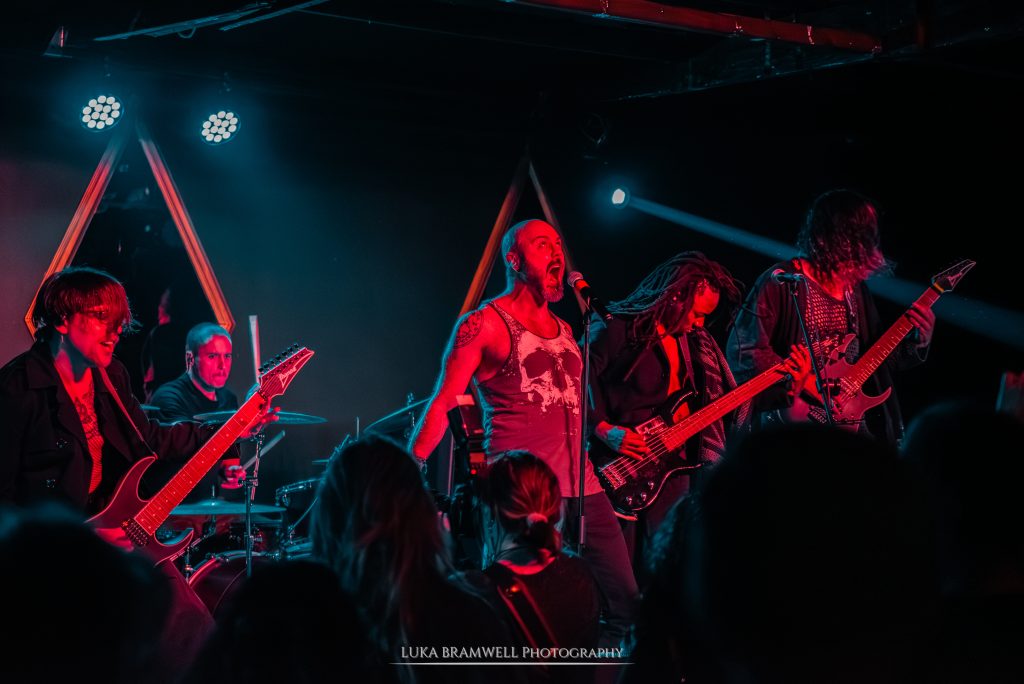
The rejection of technical posturing is what has always underscored nu-metal’s sense of authenticity. We can produce endless thinkpieces over-analysing its aesthetics, like how the sartorial turn against the Clean Girl aesthetic is positioned to embrace the trashiness of the genre, or how the revival is largely pegged on the fashion rather than the music. But the reason nu-metal is having a comeback boils down to the nature of the genre: its emotional honesty.
We laugh about how nu-metal is music for suburban white boys mad at their dads, but is it possible that in 2026 we’ve begun to crave music that is just blatant in its anger? An anger that you can throw ass to? You can see it in the success of festivals like Sick New World, which features a cavalcade of nu-metal and hardcore bands, or the way Knocked Loose’s latest single Hive Mind, featuring Denzel Curry, draws on nu-metal’s sound.
“JP turned to me and said that for this song,
he wanted to torture [me].”
For Dreadlines, that anger is baked into their writing process. The band knows that art has to cost you something. While the lyrics are blunt about topics like toxic masculinity and mental health, the writing process is psychologically arduous. As Shields discusses the new music the band is working on, he describes a writing session where Monroe evoked the methods of Ross Robinson – the “Godfather of Nu-Metal” notorious for pushing vocalists to their psychological breaking point.
“JP turned to me and said that for this song, he wanted to torture [me], he wanted to drill down into me and find the squishy core of all my trauma,” says Shields. At the time, he was navigating a difficult chapter of his life: living with severe chronic fatigue, recovering from a string of surgeries, and emerging from a suicidal patch that led to a stay in a psychiatric rehab insitution.
“I was in such a negative headspace that I wanted to make [people] feel as terrible as I was in order for them to understand,” explains Shields “I would give them the bleakest, most nihilistic, horrible answer that I could, because I was in a terrible place.”
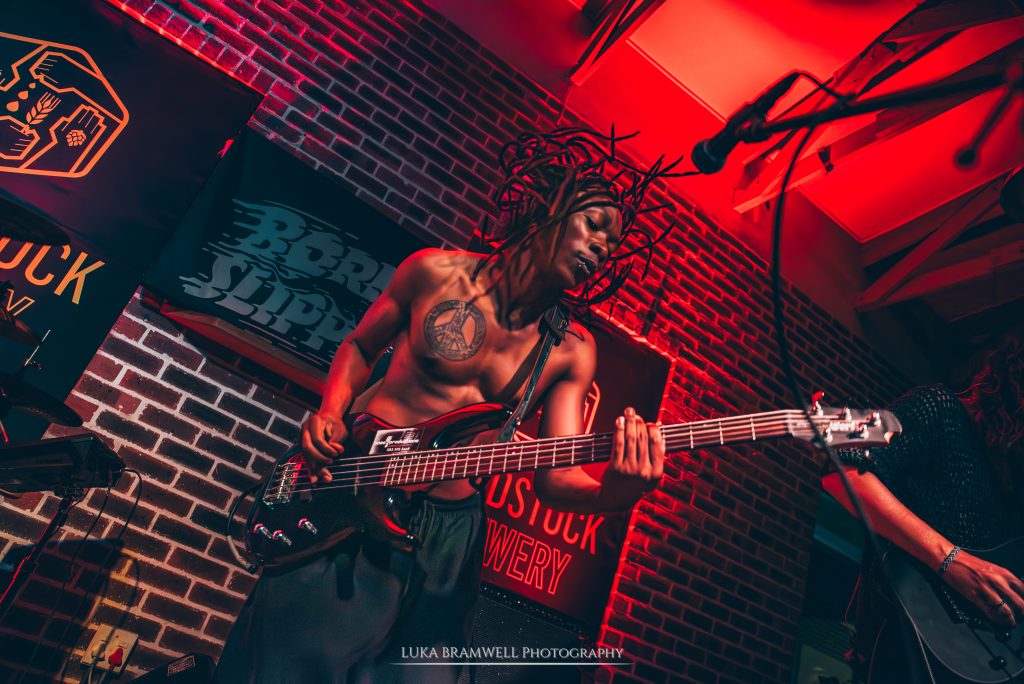
It’s that trauma and headspace that Shields was urged to write from – a process that would be impossible without a deep sense of internal trust. That honesty extends to how the band works together. “Nothing is sacred,” says Monroe. But as Nate Prentice, lead guitarist, explains, there is one throughline to the music: “It needs to hit hard.”
With the return of nu-metal, it’s hard not to view it as a genre bubble in the same vein as disco in early 2020, or electroclash in the late 2010s. If it is a bubble, there’s no indication of how long it will last. Perhaps in a decade we’ll look back at this moment as ‘nu-metal revival’ in the same way that we look at emo revival. But, for what it’s worth, bands like Dreadlines are deftly navigating this cultural resurgence and contributing to reimagining what the genre can sound like for the future.
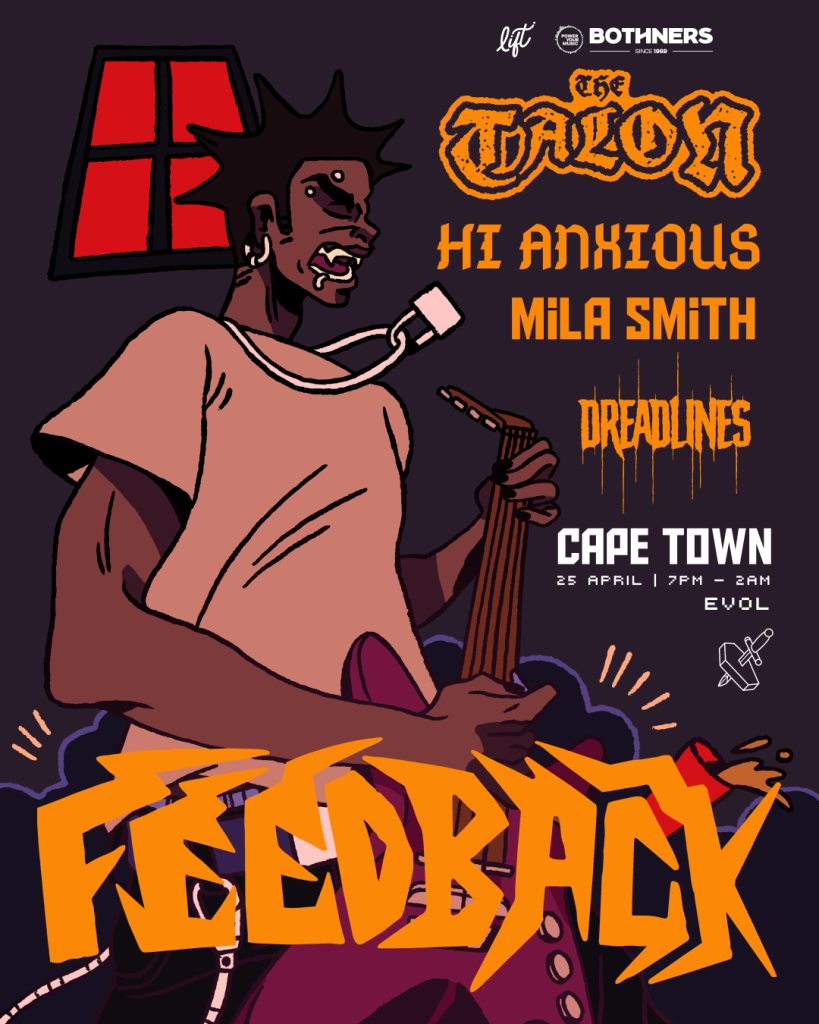
See Dreadlines live at Emo Night Presents: Feedback in Cape Town on 25 April. Tickets on Quicket.